
Rats and mice can cause problems at any time of year, but autumn is a particularly important period for rodent prevention. As outdoor conditions become colder and wetter, rodents begin searching for reliable sources of food, warmth and shelter. Commercial buildings can provide all three.
Warehouses, restaurants, hotels, offices, healthcare facilities, retail premises, manufacturing sites and other commercial properties can all provide attractive environments for rodents if preventative measures are not in place.
For businesses, the best approach is to act before rodents become established. Identifying possible entry points, maintaining good housekeeping, managing waste correctly and implementing professional monitoring can significantly reduce the risk of an infestation developing as we head into the colder months.
Why Does Rodent Activity Increase During Autumn?
Rodents are active throughout the year, but seasonal changes can influence where they look for food and shelter.
As temperatures fall during autumn, warm commercial buildings become increasingly attractive. Wall cavities, storage areas, plant rooms, kitchens, warehouses and other relatively undisturbed spaces can provide rodents with the shelter they need.
When Are Rodents Most Active?
Rats and mice are generally most active from dusk through the night, which means activity inside a commercial property can easily go unnoticed during normal working hours.
A business may therefore have rodent activity without employees actually seeing a rat or mouse.
This is one of the reasons why preventative pest monitoring is so important. Waiting for a visible sighting can mean waiting until rodents have already gained access to the premises.
Why Do Commercial Buildings Attract Rats and Mice?
Like most pests, rodents are looking for three basic things: food, water and shelter.
Commercial premises can unintentionally provide all three.
Food waste, overflowing bins, stock, spillages and poorly stored ingredients can provide accessible food sources. Leaking pipes and standing water can provide moisture, while storage areas, wall cavities, ceiling voids and plant rooms offer places to shelter.
Busy commercial premises may also have numerous potential access points, including:
- Loading bays
- Gaps beneath external doors
- Damaged vents
- Pipe and cable penetrations
- Drains
- Cracks around the building exterior
- Roof and service areas
- Frequently opened delivery entrances
Rodents can exploit very small openings, making regular inspection and effective rodent control an important part of protecting commercial premises.
Which Businesses Are Most at Risk of Rodent Activity?
Any commercial premises can experience rodents, but certain environments can be particularly attractive.
- Restaurants, cafés and hospitality businesses can provide regular access to food, kitchens, waste areas and deliveries.
- Warehouses and distribution centres may have large storage areas, loading bays and frequent movement of goods in and out of the building.
- Food manufacturing and production facilities require particularly strong pest prevention because of the potential contamination risks associated with rodent activity.
- Healthcare facilities need to maintain high standards of hygiene and pest prevention across clinical, storage, catering and waste areas.
- Retail premises and shopping centres may have multiple food sources, service areas and access points across larger buildings.
- Offices and commercial properties can also experience rodent problems, particularly around staff kitchens, bin stores, basements and plant rooms.
Whatever the sector, identifying the risks specific to the premises is an important part of an effective commercial pest management programme.
What Are the Early Signs of a Rodent Problem?
Rodents often remain hidden, so businesses should know what evidence to look for.
Rodent Droppings
Droppings around storage areas, walls, cupboards, kitchens, plant rooms or waste areas can be one of the clearest indicators of rodent activity.
Gnaw Marks
Rats and mice regularly gnaw to maintain their teeth. Damage can appear on packaging, timber, containers, fixtures and electrical cables.
Damaged Stock or Packaging
Torn bags, boxes or food packaging may indicate that rodents have gained access to stored products.
Scratching or Movement
Unusual noises from ceilings, walls or storage areas, particularly when the building is quiet, should be investigated.
Grease Marks
Rodents often follow established routes. Repeated movement along walls and surfaces can leave visible smear or grease marks.
Nesting Materials
Shredded cardboard, paper, fabric or insulation can indicate that rodents are creating a nesting area.
Rodent Sightings
A rat or mouse sighting should never be dismissed as an isolated event without further investigation.
How Can Businesses Prevent Rodents This Autumn?
Preventative rodent control is about making your premises less accessible and less attractive to rats and mice.
Taking action before temperatures fall further can help businesses identify vulnerabilities and reduce the likelihood of rodents becoming established indoors.
Inspect Your Building for Entry Points
Begin with the exterior of the property.
Check external doors, windows, vents, loading areas, drainage points, rooflines and locations where cables or pipes enter the building.
Small gaps should not be overlooked.
Damaged vents, gaps around service penetrations and poorly sealed doors can all create potential access routes.
KeyGreen's professional Rodent Proofing solutions can help businesses identify vulnerable areas and use appropriate materials to prevent rodents from entering commercial premises.
Pay Attention to Loading Bays and Delivery Areas
Loading bays can be particularly vulnerable because doors may remain open while deliveries are being made.
Where possible, external doors should remain closed when they are not actively required.
Businesses should also regularly inspect loading areas for droppings, damaged stock or other evidence of pest activity.
Manage Waste Correctly
Waste management and pest prevention are closely connected. Poorly managed waste can also create ideal conditions for a range of pests.
Overflowing bins, loose food waste, spillages and poorly maintained waste areas can provide rodents with a readily available food source.
Businesses should ensure that:
- Commercial bins are not allowed to overflow
- Bin lids remain securely closed
- Food waste is properly contained
- Spillages are cleaned promptly
- Waste compounds are kept clean and organised
- Collection frequencies reflect the amount of waste being produced
Businesses experiencing recurring pest activity around their waste areas may also benefit from reviewing their wider Business Waste Management arrangements.
Store Food and Stock Correctly
Food products and ingredients should be stored securely, and damaged packaging should be dealt with quickly.
Storage areas should also be organised so that employees can inspect them easily.
Allowing stock, cardboard or unused materials to remain undisturbed for long periods can create additional hiding places and make signs of rodent activity more difficult to identify.
Keep External Areas Clear
Rodent prevention does not stop at the building entrance.
Vegetation, discarded materials, pallets and clutter around a premises can provide shelter close to the building.
Pay particular attention to areas surrounding bin stores, loading bays, service yards and external walls.
Keeping these areas clear can make a property less attractive to rodents while also making potential activity easier to identify.
Don't Overlook Drains and Service Areas
Rats can move through sewer and drainage systems, making drains another potential route into commercial buildings.
Damaged drainage infrastructure or poorly protected openings may allow rodents to access areas that are otherwise well proofed.
Where rodent activity continues without an obvious entry point, drainage and other hidden access routes may need to be investigated.
Encourage Employees to Report Rodent Activity
Employees are often the first people to notice something unusual.
Kitchen teams may discover damaged food packaging. Warehouse employees might notice droppings around stock. Cleaning teams may identify activity behind equipment or in quieter areas of the premises.
Staff should know how to report signs of pest activity so they can be investigated quickly.
Simply cleaning away evidence without reporting it can allow an underlying problem to continue unnoticed.
How Often Should Businesses Monitor for Rodents?
The most effective approach to commercial rodent control is not to wait until an infestation becomes obvious.
Regular monitoring can help identify pest activity at an earlier stage and provide businesses with greater visibility over potential risks around their premises.
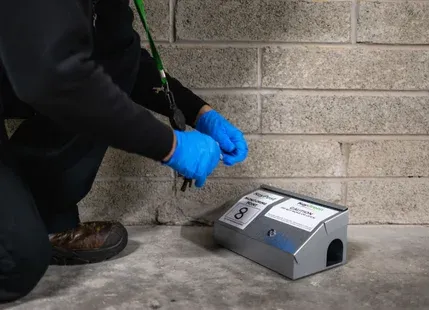
KeyGreen uses preventative pest control technologies, including 24/7 digital pest monitoring and SIM-enabled smart traps, to help businesses identify rodent activity even when a site is unoccupied.
This is particularly valuable for larger or multi-site businesses where constant manual monitoring may not be practical.
Combining technology with regular inspections, good housekeeping and appropriate proofing provides a more proactive approach to rodent management.
Why Is Autumn the Right Time to Review Your Pest Control Programme?
Rodents are a year-round risk, but autumn creates an important opportunity for businesses to review their preventative measures before colder conditions increase the pressure on commercial buildings.
Waiting until rats or mice are regularly visible can mean the problem has already progressed.
An autumn pest control review can help identify:
- Potential rodent entry points
- Vulnerable waste storage areas
- Proofing requirements
- Signs of existing activity
- Areas requiring additional monitoring
- Housekeeping issues that could attract pests
Addressing these vulnerabilities early can help businesses stay ahead of rodent activity throughout autumn and winter.
How Can KeyGreen Help Prevent Rodent Problems?
At KeyGreen, our approach to commercial pest control focuses on both prevention and effective treatment.
Our nationwide pest control team works with businesses across Ireland to identify pest risks and implement tailored management programmes suited to individual sites.
KeyGreen's rodent control services include professional site inspections, rodent monitoring, treatment, proofing and preventative solutions designed to reduce the risk of recurring activity.
Our approach also incorporates environmentally conscious pest management and smart monitoring technology, helping businesses stay one step ahead of potential infestations.
Whether you manage a restaurant, hotel, warehouse, healthcare facility, office, retail premises or multi-site operation, taking preventative action before temperatures drop can help protect your premises, staff, customers and reputation.
